Skip to content
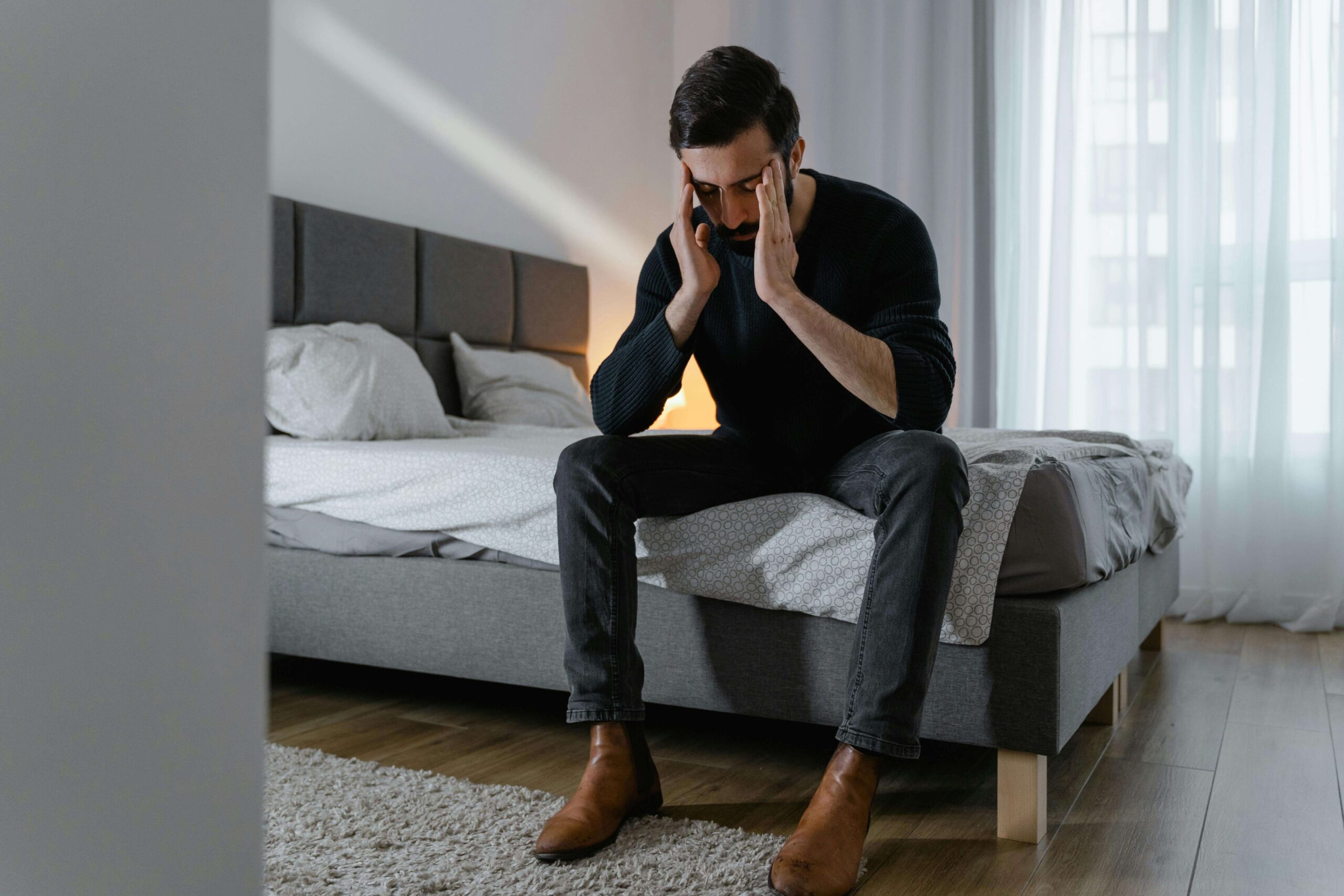
When couples sit down in my San Diego office, I often hear:
- “He shuts down whenever emotions come up.”
- “I can tell something is wrong, but he says he’s fine.”
- “I feel like I’m in this relationship alone emotionally.”
Most of the time, he isn’t uncaring. He’s emotionally avoidant. From a Relational Life Therapy (RLT) perspective, this isn’t just his personal flaw. It’s the result of cultural training, family patterns, and a relational “dance” both partners end up in.
In this blog, we’ll explore how emotional avoidance develops and how couples therapy for emotional avoidance in San Diego, CA, can help partners break the cycle and reconnect.
How Boys Learn to Shut Down
Men usually don’t choose emotional shut-down consciously; they are trained into it.
As boys, many hear messages like:
- “Don’t cry.”
- “Man up.”
- “Handle it.”
Vulnerability—sadness, fear, hurt—is treated as weakness or something to get over quickly. The lesson becomes:
- Feelings = trouble
- Safety = shut down and stay “strong”
By adulthood, emotional avoidance is so automatic that many men genuinely struggle to name what they feel, let alone talk about it.
Emotional Avoidance in Adult Relationships
Fast forward to an intimate relationship.
Their partner asks:
- “What’s going on for you?”
- “How did that make you feel?”
- “I want to know what’s happening inside.”
Instead of opening up, he may:
- Say “I’m fine”
- Change the subject
- Get irritated: “Why do we have to talk about this again?”
- Retreat into work, phone, or silence
Inside, he might actually be feeling:
- Confused: “I don’t have words for this.”
- Afraid: “If I open up, I’ll be judged or rejected.”
- Ashamed: “Real men shouldn’t feel like this.”
His partner experiences disconnection and loneliness; he experiences pressure and shame. Both are hurting.
What is the Cost of Bottling Emotions?
Bottling things up has serious side effects:
- More conflict – Feelings eventually leak out as anger, defensiveness, or sudden blow-ups.
- Emotional distance – Partners feel like roommates or co-parents instead of a connected couple.
- Resentment – Unspoken needs and hurts pile up.
- Stress in the body – Tension, poor sleep, fatigue, and health worries.
RLT is very direct: emotional shut-down may have helped you survive earlier in life, but it damages your relationships now.
A Relational Life Therapy View: It’s Not Just You, It’s the Culture
RLT explicitly names the larger system: patriarchal norms that tell men to be invulnerable, self-reliant, and in control.
Common internal rules men absorb:
- “My worth is in what I do, not what I feel.”
- “Needing support makes me weak.”
- “I should always be strong and right.”
So when a partner asks for emotional openness, it clashes with years of training. From an RLT lens, we treat this as cultural conditioning plus relational responsibility: it’s not your fault you learned it, but it is your job to outgrow it.
The Emotional Avoidance “Dance”
In my San Diego practice, I often see a repeating cycle:
- Partner reaches out
“You seemed really off after that call. What’s going on?” - He avoids
“It’s nothing. I’m fine.” (Or jokes, changes topic, gets short.) - Partner escalates
Feeling shut out, they criticize or pursue: “You never open up. I’m tired of this.” - He retreats further
Feeling attacked or inadequate, he shuts down more.
Now:
- One partner feels abandoned and angry.
- The other feels attacked and defective.
RLT calls this a relational dance—it’s the pattern between you, not just who’s “bad” or “wrong.”
How Relational Life Therapy Helps Men Open Up

RLT is active and honest. We don’t tiptoe around the pattern; we name it and then teach new skills.
- Naming the Pattern
In session, we might say:
- “When emotions show up, you exit—by going silent, getting defensive, or distracting yourself. Your partner is left carrying the emotional load.”
Many men feel both called out and relieved: “Yes, that’s what I do. I just never knew what else to do.”
- Connecting It to His Story
We explore:
- What happened when you were sad, scared, or hurt as a boy?
- Who taught you it was (or wasn’t) okay to feel?
- How did your family handle conflict?
This brings context and compassion, while still holding him accountable for changing what no longer works.
- Teaching New Emotional Skills
Most emotionally avoidant men simply were never taught:
- How to identify emotions (beyond “mad” or “fine”)
- How to express vulnerability without collapsing into shame
- How to stay present when their partner is upset
In RLT-informed couples work, we practice:
- Simple feeling language: “I feel hurt / worried / overwhelmed.”
- Grounding and slow breathing to stay regulated during tough talks.
- Short, honest statements instead of disappearing:
“This is hard for me to talk about, but I’m feeling….”
These are learnable skills, not personality traits.
Support for Partners of Emotionally Avoidant Men
RLT also helps partners look at their side of the dance—not to blame them, but to empower them.
We might explore:
- Do you lead with attack (“You never talk”) instead of vulnerability (“I feel lonely and I miss you”)?
- Do you escalate when he shuts down, which makes him withdraw even more?
- Can you recognize and appreciate even small steps he takes toward more openness?
Partners often learn to:
- Use a softer startup
- Make specific requests (“Can we have 10 minutes tonight to check in emotionally?”)
- Respond to his new efforts with acknowledgment, not “finally” or sarcasm
These shifts make it safer for him to come out of his shell.
Building a New Emotional Culture Together
Breaking emotional avoidance isn’t about turning men into someone they’re not. It’s about:
- Staying connected to their inner world
- Showing up more fully with their partner and family
- Creating a relationship where both people feel emotionally held
In couples therapy in San Diego, this often includes:
- Short, regular emotional check-ins
- Agreements about how to handle conflict without stonewalling or attacking
- Challenging “real men don’t feel” beliefs whenever they appear
Over time, many couples report:
- Fewer shutdowns and blow-ups
- More honest, grounded conversations
- A stronger sense of being on the same team
If You’re Tired of Bottling It Up
If you’re a man who bottles up emotions—or a partner on the other side of that wall—you’re not broken. You’re living out patterns you were taught.
Relational Life Therapy offers a clear, practical path to:
- Understand those patterns
- Take ownership of your part
- Build a more open, emotionally connected relationship
If you’re in or near San Diego, CA, and want support shifting from emotional avoidance to engagement, working with a couples therapist can help you learn a new relational language—one where you don’t have to carry everything alone, and both of you can finally feel seen. Feel free to reach out to Stress Solutions for a consultation.
Begin Couples Therapy for Emotional Avoidance in San Diego, CA

When men bottle up emotions, it often shows up as withdrawal, irritability, or shutting down during conflict. At Stress Solutions, couples therapy helps partners understand the deeper reasons behind emotional avoidance so communication feels safer, clearer, and more connected.
Here’s how to begin:
- Contact Stress Solutions at 619-881-0593 to schedule a free consultation for couples therapy for emotional avoidance in San Diego, CA.
- Start couples therapy to explore why emotional suppression happens and how it affects your relationship dynamic.
- Learn how to recognize emotional shutdown early and respond in ways that support openness instead of distance.
With support from a couples therapist in San Diego, CA, couples can move from emotional distance to greater honesty, understanding, and connection.
Flexible Therapy Options in San Diego and Online
Alongside couples therapy, Stress Solutions offers a variety of mental health services focused on emotional wellness and stronger relationships. These include individual therapy for men, anxiety therapy, trauma-informed care, and support for stress and burnout.
Sessions are available in person at our San Diego office or online for clients throughout California, Florida, and Oregon, providing flexible access to care that fits your needs and schedule.