Skip to content
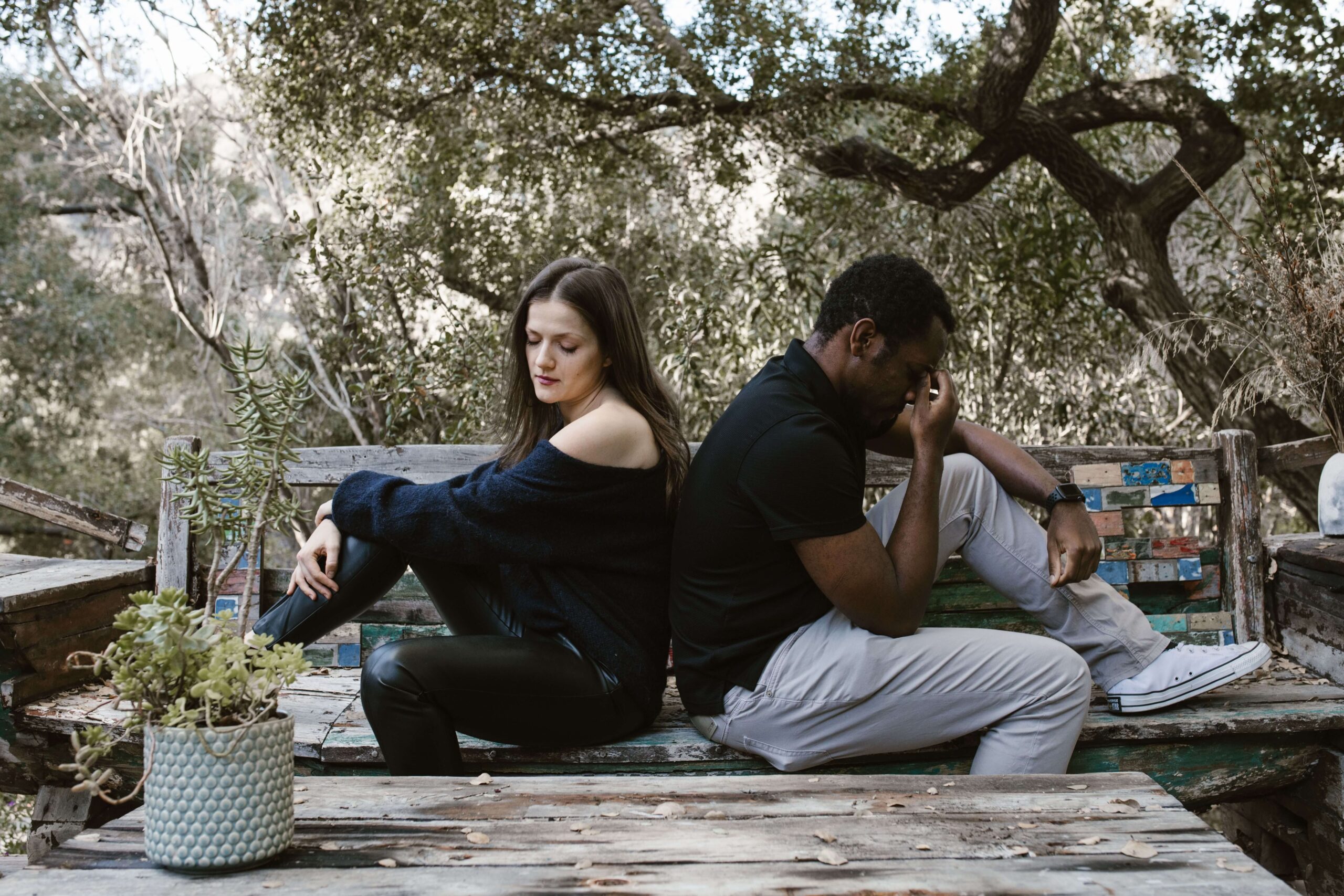
You’re arguing with your partner about something relatively small—maybe the dishes, a late text, or a tone of voice. On the surface, it should be a fixable problem. But suddenly, your heart is racing, your chest is tight, and you feel panicky, cornered, or deeply unsafe. You might find yourself yelling, shutting down, or wanting to run away, even as part of you is thinking, “Why am I reacting this strongly?”
If this sounds familiar, you’re not alone—and you’re not “too sensitive” or “overreacting.” Often, what’s happening is that past trauma is crashing into a present-day conflict.
When old pain hijacks a current argument, couples get stuck in painful cycles that feel confusing and discouraging. Trauma-informed couples therapy in San Diego, CA, can help you and your partner understand what’s happening in your brain and body, so you can respond with more clarity, care, and choice.
How the Brain Links Old Danger to New Disagreements
When you’ve lived through painful, scary, or even life-threatening experiences, your brain’s number one job becomes: Never let that happen again.
To protect you, the brain develops a kind of “early warning system.” It becomes hypervigilant—on high alert—for anything that feels even remotely similar to those past experiences. This isn’t a conscious choice; it’s how the nervous system adapts under threat.
So in a conflict with your partner:
- A raised voice might feel like past shouting or verbal abuse.
- Your partner walking away could echo times you were abandoned or ignored.
- A disappointed look might trigger memories of being shamed or rejected.
- A pause in responding might stir old terror of being cut off or punished.
In that moment, your brain isn’t carefully analyzing context; it’s scanning for danger. When it finds something that resembles your old pain, it can quickly “whoosh” you right back to that place. Your body reacts as if the past is happening again—right now.
This is why you might suddenly feel:
- Flooded with anxiety or anger
- Numb, frozen, or “checked out”
- Desperate to explain, fix, or escape
- Like a much younger version of yourself
To your nervous system, you’re no longer in a disagreement with your partner in 2026. You’re back in the emotional landscape of your trauma—and your reactions follow suit.
Why This Makes Conflict So Much Harder
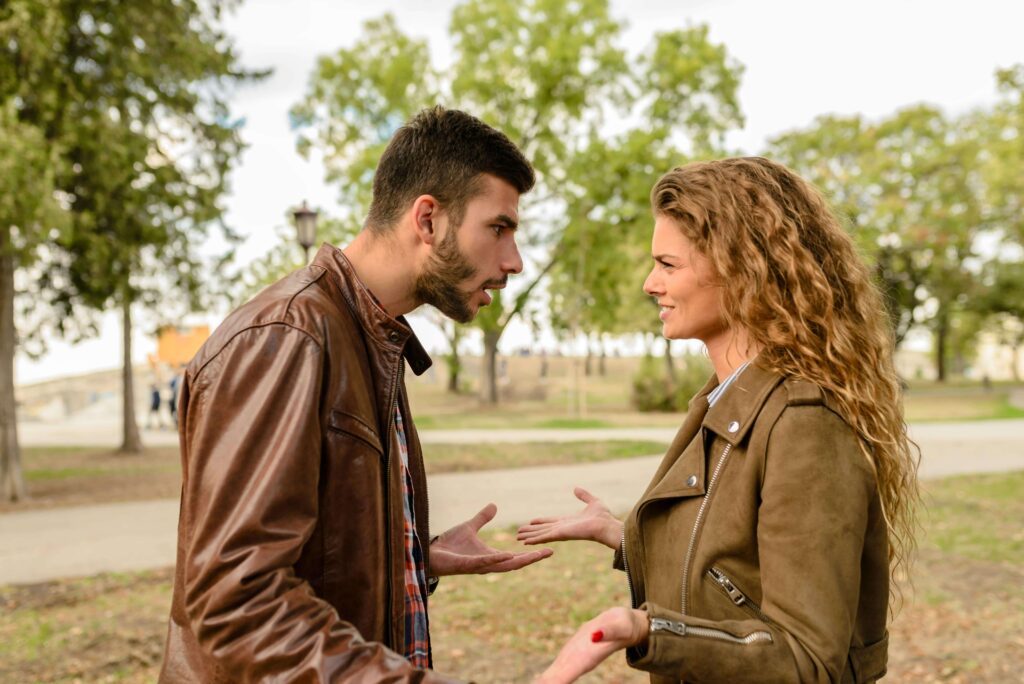
Of course, this complicates the current fight or disagreement. You and your partner are no longer just dealing with the present-day issue—who forgot the bill, what was said in that text, whose turn it is with the kids.
You’re now contending with:
- The current problem, and
- Your trauma history, and often
- Your partner’s history and triggers as well
What might start as a solvable issue quickly escalates because:
- You may react from a survival mode of fight, flight, freeze, or fawn.
- Your partner may feel blindsided or attacked and go into their own defensiveness or shutdown.
- Neither of you is fully arguing about this moment anymore—you’re arguing with ghosts from the past.
Without understanding the role of trauma, couples often conclude:
- “We’re just incompatible.”
- “They’re too dramatic / too cold / too much.”
- “Love shouldn’t be this hard; something’s wrong with us.”
In reality, something is activated in your nervous systems—not wrong with who you are.
How Trauma-Informed Couples Therapy Helps

In trauma-informed couples therapy here in San Diego, CA, at Stress Solutions, we work to make sense of these patterns together, without blame or shame.
Therapy focuses on:
1. Naming what’s happening in your body and brain
We slow down conflicts and look at what you each feel in your body, what you tell yourself internally, and how you tend to react. Understanding the brain’s hypervigilance and trauma responses can turn a confusing, painful pattern into something that finally makes sense.
2. Differentiating past from present
We gently explore: What does this current moment remind you of? When have you felt this way before? As you build awareness, you can start to recognize, “Oh, this huge wave I’m feeling isn’t only about my partner being late—it’s also about those years when I felt abandoned.” That clarity opens the door to new choices.
3. Building calming and grounding skills
Because trauma lives in the body, talking alone isn’t enough. We practice concrete tools—slowing your breathing, orienting to the present moment, feeling your feet on the floor, using self-soothing touch or movement—so you have ways to settle your nervous system during or after conflict.
4. Practicing more compassionate, self-esteem-based self-talk
Trauma often leaves behind harsh inner messages: “I’m not lovable,” “I’m too much,” “Everything is my fault.” In session, we help you notice these old scripts and begin to replace them with grounded, self-respecting messages like “My needs matter,” “I deserve respect,” and “I can be upset and still be worthy of love.” Over time, this calmer, centered inner voice allows you to show up differently in your relationship.
5. Helping your partner understand and respond differently
When both partners understand how trauma shows up, it becomes easier to respond with empathy instead of defensiveness. We work on ways for your partner to recognize when you’re triggered and for both of you to use language like, “I think an old wound is getting touched here—can we slow down?”
You Don’t Have to Keep Reliving the Past in Your Relationship
If you recognize yourself in these patterns, there is nothing “broken” about you. Your brain and body adapted to past pain in the best way they knew how. Now, in the safety of a healing relationship and a supportive therapeutic space, you can update those patterns.
Working with a trauma-informed couples therapist can help you:
- Understand why small conflicts feel so big
- Calm your nervous system during disagreements
- Practice confident, compassionate self-talk
- Build safer, more connected ways of relating with your partner
Ready to Get Support? Trauma-Informed Couples Therapy in San Diego, CA
You don’t have to keep repeating painful cycles or feeling misunderstood in your relationship. If you and your partner are struggling with conflict that feels bigger than the moment—and you suspect past trauma is part of the picture—I’d be honored to help.
At Stress Solutions, I offer trauma-informed couples therapy in San Diego, CA, as well as online sessions for residents throughout California.
Here are the next steps:
- Contact Stress Solutions at 619-881-0593 to schedule a free consultation for trauma-informed couples therapy in San Diego, CA.
- Start couples therapy to understand how past trauma may be contributing to present-day conflict, emotional triggers, and disconnection in your relationship.
- Learn how to create a relationship environment rooted in safety, trust, and mutual understanding with trauma-informed support.
Your past doesn’t have to keep running the show in your present-day relationship. With the right support from a couples therapist, you and your partner can learn to navigate conflict with more understanding, safety, and connection.
Additional Therapy Services Available in California & Online
In addition to couples counseling, Stress Solutions offers support for a variety of emotional and mental health needs. This includes therapy for anxiety, stress, and burnout, trauma recovery, and individual counseling for men focused on personal development and healthier relationships.
Services are available in person at our San Diego office, as well as through secure online therapy for clients across California, Florida, and Oregon. This flexible format makes it easier to access care in a way that fits your schedule and location.