Skip to content
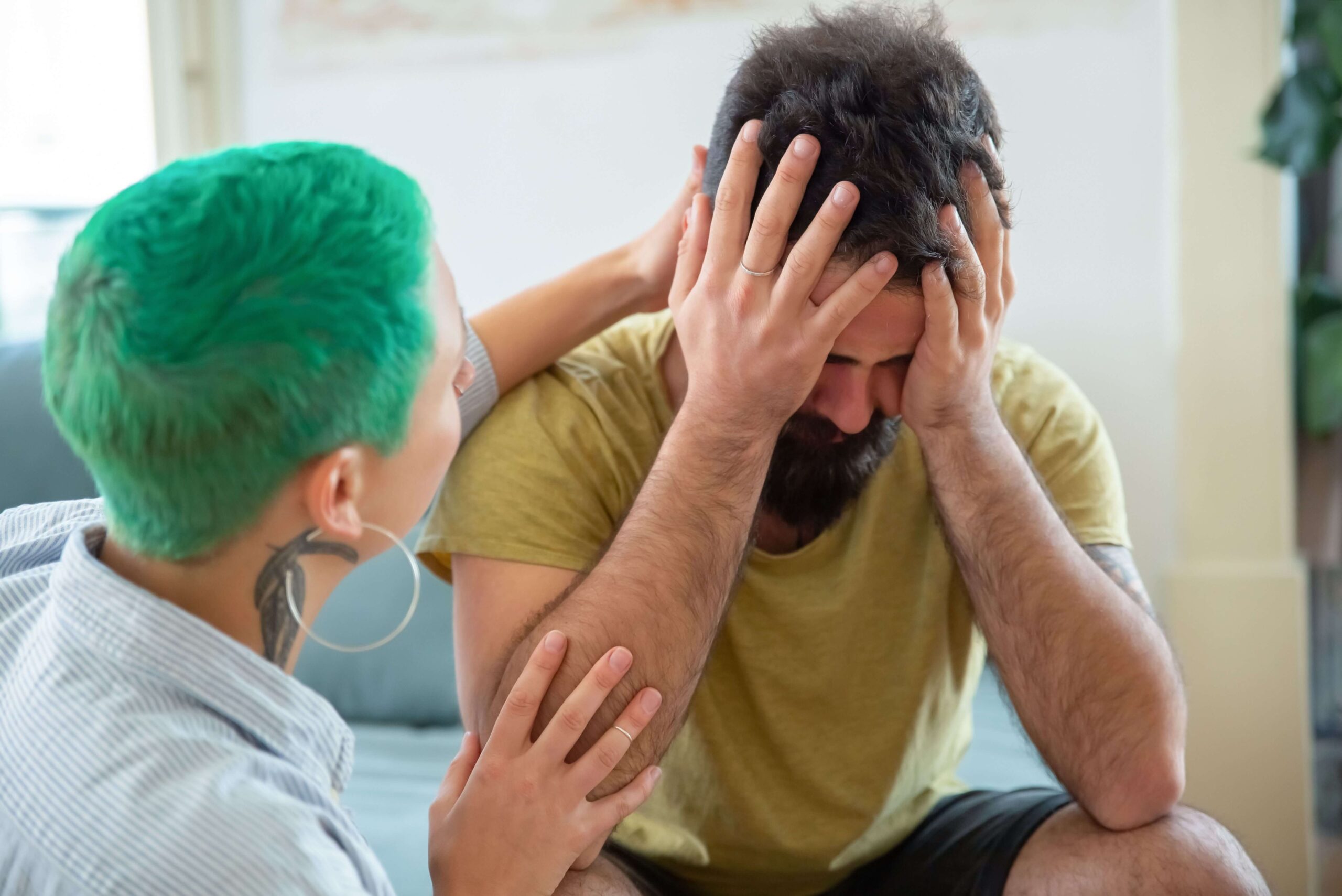
You care about each other. You don’t want to cause pain. Yet somehow, you keep ending up in the same arguments, saying things you don’t mean, or shutting down in ways that leave you both feeling hurt and alone.
Afterward, you might think:
- “Why did I react like that again?”
- “I know they love me—so why did that hurt so much?”
- “We promised we wouldn’t go there anymore. What’s wrong with us?”
If this sounds familiar, you’re not broken—and your relationship might not be either. But you are likely caught in a pattern of emotional triggers that neither of you fully understands yet.
The good news: once you can see the pattern, you can start to change it. Couples therapy for relationship conflict can help.
What Is a “Trigger Pattern” in Relationships?
A trigger is when something in the present activates a much bigger emotional response than the situation seems to warrant. It’s not just about what happened—it’s about what it means to you.
Common triggers include:
- A certain tone of voice or facial expression
- Feeling dismissed, interrupted, or ignored
- Perceived criticism or disappointment
- Silence, walking away, or delayed responses
- Jokes that land as disrespect or rejection
A trigger pattern is the dance that unfolds between you once one or both of you are activated.
For example:
- One partner feels criticized and snaps back.
- The other feels attacked and shuts down.
- The first feels abandoned and escalates.
- The second withdraws even more.
By the end, you’re both in pain, and the original issue is lost.
Why Do We Keep Hurting the Person We Love?

Most couples don’t hurt each other because they don’t care. They hurt each other because:
- They’re protecting themselves from emotional pain.
- Old wounds are being activated in the present.
- Their nervous systems are in survival mode.
When you feel triggered, your brain often moves into fight, flight, or freeze before your rational mind catches up:
- Fight: criticize, argue, raise your voice, become sarcastic
- Flight: leave the room, change the subject, bury yourself in work or your phone
- Freeze: go numb, shut down, say “I don’t know,” or withdraw internally
These reactions might have helped you cope in the past—but in your current relationship, they end up creating more distance and hurt.
Common Trigger Cycles Couples Experience
Here are a few patterns we often see in couples therapy:
1. Pursue–Withdraw
- One partner gets anxious, upset, or scared and pursues:
- “We need to talk about this right now.”
- “Why won’t you answer me?”
- Calls, texts, protests, demands.
- The other feels overwhelmed and withdraws:
- “This is too much.”
- “I can’t say anything right.”
- Goes quiet, shuts down, or physically leaves.
Each person’s attempt to feel safe makes the other feel more unsafe. The pursuer feels abandoned; the withdrawer feels attacked.
2. Attack–Attack
Both partners feel threatened and go into fight mode:
- Blame, criticism, sarcasm
- Bringing up old hurts as ammunition
- Saying cutting things you later regret
The underlying pain (“I feel alone,” “I feel not good enough”) is covered by anger and defensiveness.
3. Collapse–Caretake
- One partner collapses into shame, helplessness, or emotional flooding.
- The other shifts into fixing, caretaking, or suppressing their own needs.
Over time, both can feel resentful, unseen, or stuck in roles they don’t actually want.
How Old Wounds Show Up in Present Fights
Trigger patterns are rarely just about the current moment. They’re often rooted in earlier experiences, such as:
- Growing up with criticism, unpredictability, or emotional neglect
- Past relationships where you felt betrayed, controlled, or abandoned
- Family rules like “don’t talk about feelings” or “be tough and handle it alone”
So when your partner:
- Raises their voice
- Goes quiet
- Disagrees with you
- Needs space
It may unconsciously tap into older beliefs and fears, like:
- “I’m not good enough.”
- “I’m too much.”
- “People always leave.”
- “My needs don’t matter.”
Without realizing it, you react to your partner as if they’re the person from your past. And they do the same to you.
Why Insight Alone Usually Isn’t Enough
Many couples say, “We understand our patterns, but in the moment, it still takes over.” That’s normal.
Breaking trigger patterns isn’t only about understanding. It’s also about:
- Learning to notice early signs of activation
- Calming your nervous system in real time
- Communicating differently while you’re upset
- Creating new, safer experiences with each other
This is where couples therapy in San Diego can play an important role.
How Couples Therapy in San Diego, CA Can Help Break Trigger Patterns
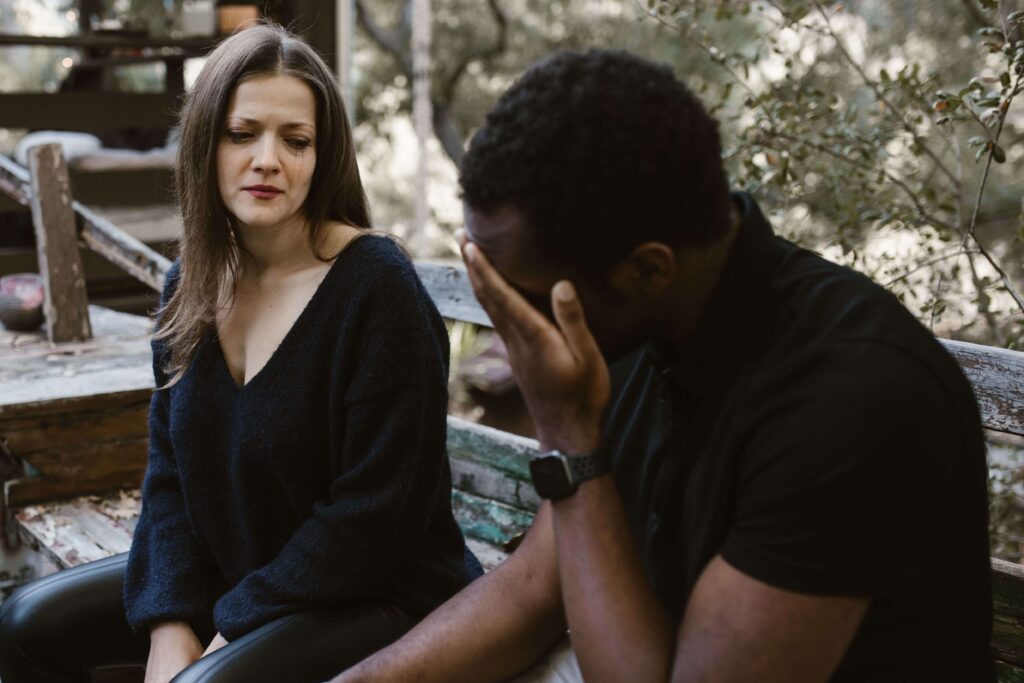
At My Stress Solutions in San Diego, we provide a structured, compassionate space for you to understand and change these patterns together. Here’s how we typically work:
1. Mapping Your Specific Pattern
We slow down a recent argument and look at:
- What happened right before each of you got triggered
- What you felt in your body (tight chest, heat, numbness)
- The thoughts that showed up (“Here we go again,” “They don’t care”)
- What you did next (pursue, withdraw, attack, shut down)
We help you see the cycle instead of just each other’s flaws. The cycle becomes the shared enemy.
2. Naming the Deeper Feelings and Needs
Under almost every trigger, there are softer emotions and longings, such as:
- Fear of being abandoned or replaced
- Shame about not being “enough”
- Longing to feel chosen, valued, or protected
In therapy, we help you put these into words—gently—and experience what it’s like to be met with empathy instead of more defensiveness.
3. Learning Tools to Regulate in the Moment
You’ll practice strategies like:
- Brief grounding and breathing to slow reactivity
- Time-outs that are structured (with clear plans to return) rather than abandoning
- Using “I” statements to express pain without attacking (“I feel scared and alone when…”)
- Asking for what you need more directly and kindly
These are skills, not personality traits. With practice, they get easier.
4. Creating New Emotional Experiences Together
Over time, you’ll start to have moments like:
- One of you gets triggered and says, “I’m starting to spiral—can we slow down?”
- The other responds with, “Okay, I’m here. Help me understand what’s happening for you.”
These small, corrective experiences send a new message to your nervous system:
- “I can show my real feelings and not be destroyed.”
- “We can have conflict and still be okay.”
- “We’re on the same team.”
This is how trust and safety are rebuilt—one interaction at a time.
You Can Love Each Other and Still Need Help With Your Patterns
Loving someone doesn’t mean you automatically know how to navigate triggers, trauma, or stress together. Many of us never saw that modeled growing up.
Working with a couples therapist isn’t about deciding who’s “right” or who’s to blame. It’s about:
- Understanding why you both react the way you do
- Learning skills to stay connected when you’re upset
- Transforming your trigger pattern into a more supportive, secure bond
You don’t have to keep reliving the same painful cycle.
Couples Therapy in San Diego, CA for Breaking Trigger Patterns
At My Stress Solutions, we help couples across San Diego who:
- Feel stuck in the same arguments, no matter what they try
- Swing between closeness and explosive conflict or shutdown
- Have past hurts or trauma that keep resurfacing
- Love each other but are scared they’re doing long-term damage to the relationship
We use attachment-informed, emotionally focused, and skills-based approaches to help you better understand yourselves and each other—and to build a relationship where love and safety can coexist, even when you’re triggered.
Ready to Stop Hurting Each Other and Start Healing Together?

Recurring arguments can leave couples feeling stuck in the same frustrating cycle.
At Stress Solutions, I offer couples therapy in San Diego, CA, to help partners understand triggers, improve communication, and break unhealthy patterns.
Here’s how to get started:
- Call 619-881-0593 to schedule your free consultation.
- Begin couples therapy to explore recurring triggers and conflicts.
- Build healthier patterns for communication and connection.
A San Diego couples therapist can help you understand what drives recurring relationship conflict in San Diego, CA, and work toward lasting change.
Explore More Therapy Services at Stress Solutions
Stress Solutions provides individual therapy for concerns such as anxiety, trauma, chronic stress, burnout, and other emotional challenges. Men’s counseling is also available for individualized support.
In-person therapy is offered in San Diego, while online therapy is available across California, Florida, and Oregon. Virtual sessions provide a flexible option for getting support alongside work, relationships, and everyday life.